
Home / HMRC eBay Tax Rules
Arrange a FREE Consultation Call and Let’s Discuss Your Goals!
Selling on eBay used to feel simple. One simply have to list an item, and someone buys it. Then you get paid. There is no stress, and no forms; and there is absolutely nothing else to think about. But things have changed lately.
HMRC eBay tax rules are now very real, and many UK sellers are only just realising it. If you’re clearing out unwanted clothes, running a side hustle, or providing services online, the tax implications matter more than ever. This makes it imperative to talk help from a trusted tax advisor, before indulging in to stay on the safer side.
Let’s break it down for you in a simple and clear way.




HMRC now receives sales data directly from online platforms and digital platforms. That includes platforms like eBay. So yes, eBay reports seller information to tax authorities.
This applies to online sellers, casual sellers, people earning additional income, full-time eBay sellers, and even those selling alongside traditional businesses. Hence, if you’re making money, then HMRC wants to know that. It is as simple as that, but having limited knowledge makes it more complex. Thus, one must know different tax codes and their application mechanism.
The trading allowance is £1,000 per tax year. If your total income from selling goods or services online stays below this, you may not need to register for self assessment.
But once your income goes over £1,000, you have new tax obligations. Other than that, you may need to pay tax and possibly complete a tax return. This applies even if eBay is just a side hustle or new side hustle tax situation.
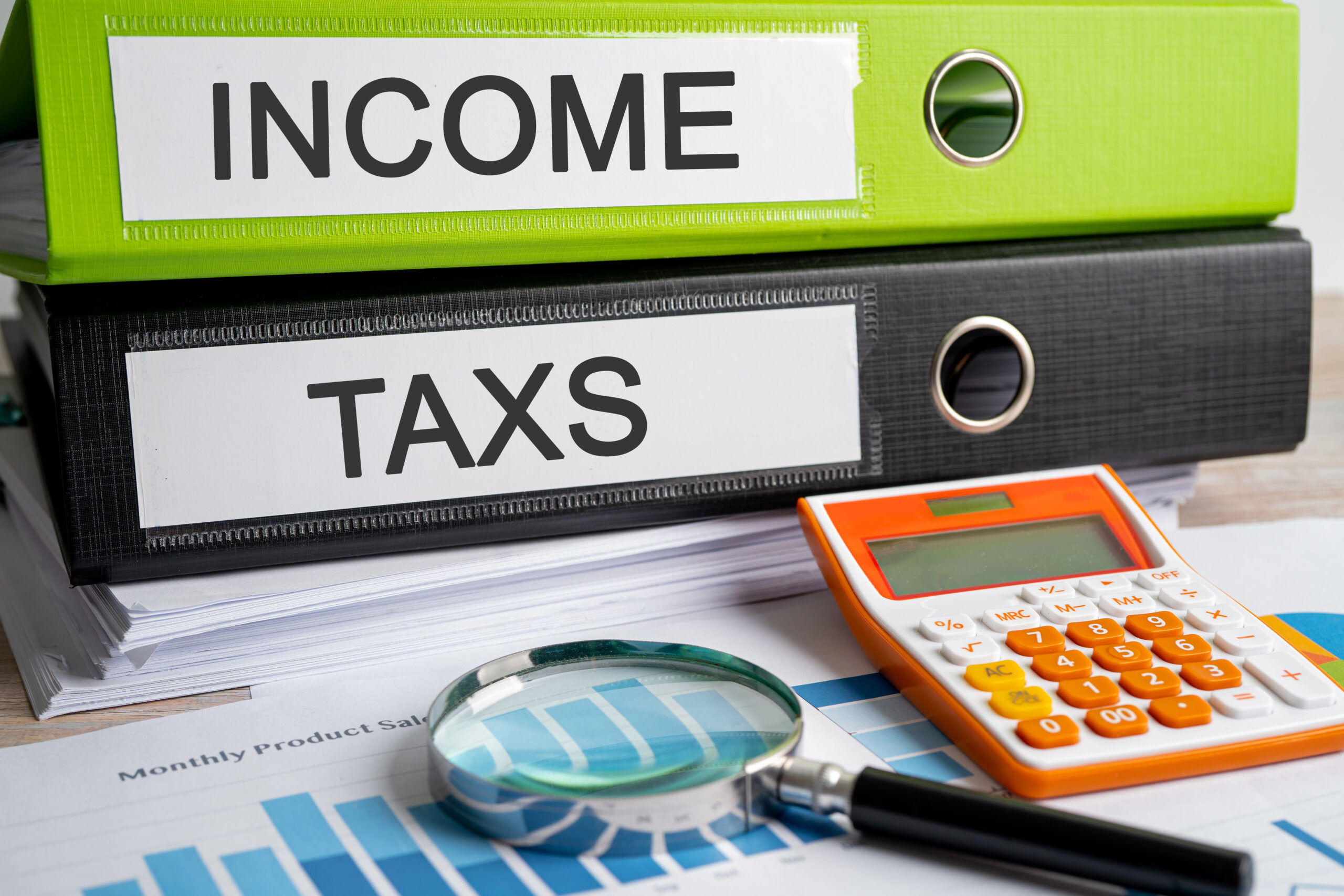
Most ebay sales fall under income tax, not capital gains tax.
You pay income tax if you’re trading or selling items regularly. It also applies if you are earning other income from eBay. For that, you may need to file a self assessment or submit a self assessment tax return or to pay income tax on your taxable income
Capital gains tax only applies when selling individual items worth over £6,000, like rare collectibles.
So yes, sometimes you must pay capital gains tax, but it’s less common for everyday sellers.
It’s not just about physical items. If you’re providing services online, offering digital work, or selling services through eBay; then it may be about design, repairs and freelance tasks
That counts as services online income. This is fully taxable.
You’ll need to register for self assessment and declare it on a tax return. Also, this make sure that you pay the correct tax and there is no way around it.
Yes, people treat the 0T tax code as an emergency tax code. Though it is not always labelled that way. It’s used when HMRC needs clarity fast. It does not necessarily reflect your actual tax code or long-term tax position.
There is a good news though. It means that you can reduce your bill by deducting expenses.
Allowable expenses include:
Only claim what relates to your selling activity. Keep records always as this helps lower your taxable income and your hustle tax bill.
HMRC now pushes everything digital. With this, you can track income via the HMRC app and manage your self assessment. Through it, you can also check deadlines and submit payments.
HMRC matches this with seller information from eBay. There are different sources but same picture. If numbers don’t align, then questions follow.
HMRC now pushes everything digital. With this, you can track income via the HMRC app and manage your self assessment. Through it, you can also check deadlines and submit payments.
HMRC matches this with seller information from eBay. There are different sources but same picture. If numbers don’t align, then questions follow.
If your eBay operation grows, you might operate through limited companies. This brings corporation tax, payroll considerations and stricter tax rules It’s not required for most sellers or self-employed persons, but common for high-volume ebay sellers. For this, a professional advice helps here.
New Rules You Shouldn’t Ignore
Under new rules, HMRC reviews activity over a different period, not just one bad month. Even casual selling can trigger checks if activity looks consistent and certain thresholds are crossed. It also applies to profits that appear intentional. This affects casual sellers, resellers, and anyone with a growing side hustle.
What Happens If You Ignore It?
Ignoring HMRC eBay tax rules can lead to:
HMRC already has your sales data, so waiting won’t make it disappear.
Selling on eBay isn’t tax-free anymore. For the people who used to think that, this is not the case. If you’re clearing out unwanted items, running a small trading operation, or building serious additional income, then your tax obligations matter. Moreover, if you’re unsure, then you must check your total income, and review profits by understanding your tax implications and complete a tax return when required. Because HMRC already knows more than most sellers think and staying ahead is always cheaper than fixing it later.
If your income goes over the trading allowance or you’re trading for profit, then you’ll need to register for self assessment and declare it to HMRC.
No, online sellers only pay tax on taxable income. This does not apply on selling personal items or unwanted possessions at a loss.
The new side hustle tax means that HMRC now reviews sales data from platforms like eBay. It applies even for small or part-time sellers.
Selling goods occasionally is usually tax-free unless it becomes regular trading or generates consistent profit.
HMRC looks at frequency, intention to make profit, and how organised your selling goods activity is.